Life has been changing rapidly for all of us over the past few weeks. As our daily patterns and normal routines are disrupted, it’s human nature to swing from denial to panic. We need to take a pause together and not let our instincts drive us with fear.
In my keynotes, I often speak about consciously creating a common external enemy to drive teams to work better together internally. Today, our communities have exactly this common enemy in the coronavirus, and with it, we have a great opportunity to come together. We need to put aside politics, race, relgion or any other force that might be dividing us, and focus all our energies, on defeating this global enemy. Because biology doesn’t care about any of our human constructs of borders and divisions. As we Americans fight Covid-19 together, let’s remember that we aren’t in this alone. My heart goes out to the people of China Italy Iran and Spain and all of the people who are battling this now today across the world.
There is no US or THEM in this fight.
Our common enemy is clear and it’s not one another.
So let’s keep our focus on doing all we can as human communities, to fight this virus together. We are all going to have to do our part to take care of one another, but I know we can, and will rise to the occasion. Keep sorting your fears into rational and irrational to stay fear(less) out there, and reach out if there is anything I can do to help.
Hey Everyone – welcome to the fearless blog! I’m so excited that you’re joining me on this journey to a more powerful, productive, and positive life. The point of this blog is to help us all gain back our power over fear through better self-awareness and the Fear(less) Challenge. What is the Fear(less) Challenge? I’m so glad you asked!
Fear(less) challenges are designed to help us separate out the fears that are valid and still help us in this modern environment, from the fears that helped our ancestors survive but today are outdated and preventing us from fully living.
For our ancestors, the brain’s shortcut between discomfort and death was an important one. But for us, these are usually unhelpful residual patterns that keep us isolated, stressed, and scared of the wrong things – like failure and rejection or even other people.
Fear(less) challenges inspire us all to lean into the discomfort recognizing that not all stress means we are going to DIE. Trust me. If we could die of awkwardness or embarrassment, I would definitely not be here today.
I’ve found that the more we let go of these unnecessary fears the more we make room for the good things that make life so worth living – we become more productive, creative, connected, and conscious.
The challenges are meant to push us into spaces of discomfort while ultimately leaving the world slightly better for it. No one is meant to be fearless. Walking in front of a greyhound bus because you don’t fear it is still a poor choice…but actively deciding, choosing what deserves your fear, and what’s an ancient shortcut that needs to be overwritten, that’s power. Making that distinction is how we can become fear (less).
So please, join in! Participate in the challenges. Post about them here and on all your socials using the #fearlesschallenge.
I remember the first time I watched The Little Mermaid. At the time of its release, I was just beginning to assert my independence and insist that I was “too old for baby movies.” Nevertheless, I spent countless childhood summers trying to perfect the Ariel hair flip, jealous of my girlfriends with longer hair and … Read more
As we turn our attention to the holiday season ripe with office Christmas parties I want to make a suggestion. It’s not the typical “stay out of the spiked eggnog before you get too drunk and make a scene” advice. No, I encourage that (when done safely of course).
Go ahead. Get your party on!
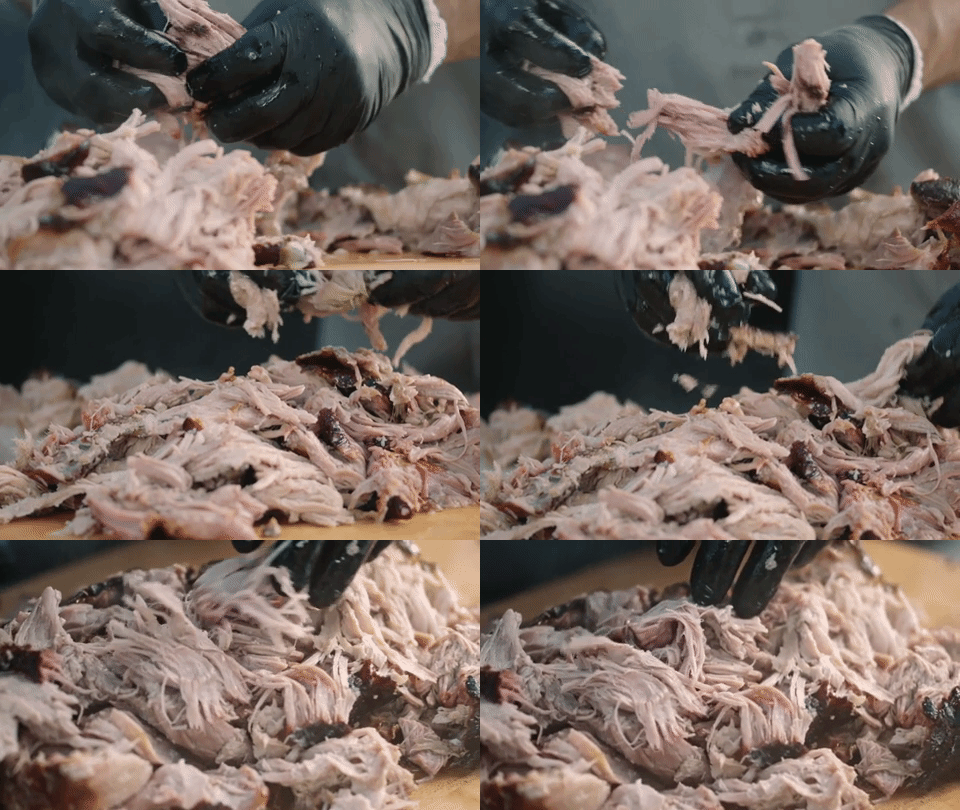
I’ll warm up with the idea of “Christmas” parties to begin with. This is a perfect example of how diversity in workplace does not necessarily equate to inclusion. Holding a Christmas party and assuming everyone will feel welcome to celebrate the “cheer” is like inviting a vegetarian to a BBQ. It may feel harmless to those majority that celebrate the holiday but these are the kind of micro-aggressions that create real divides (or at the very least some significant indigestion).
Even as a vegetarian, I have to say….that looks miggggghhhhtty good.
But if you insist that Christmas is a holiday that must be celebrated in name, (as opposed to say, a winter gathering), then go ahead and put your money where your mouth is and put “Christ back into Christmas.” I’m not saying you should only sing hymns. Go ahead and have a good time, with the usual Christmas festivities of singing, eating, drinking and being merry, but let’s at least get the representation of Christ correct.
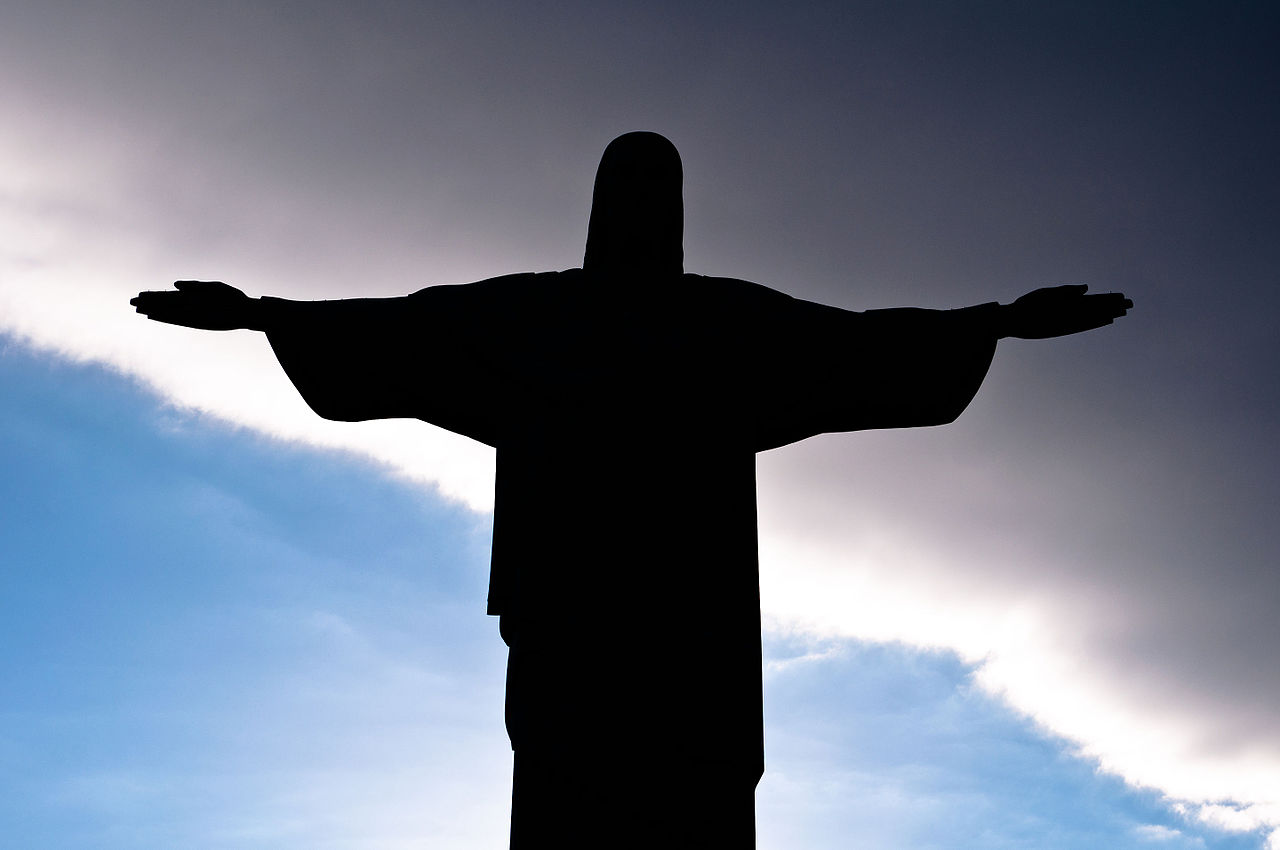
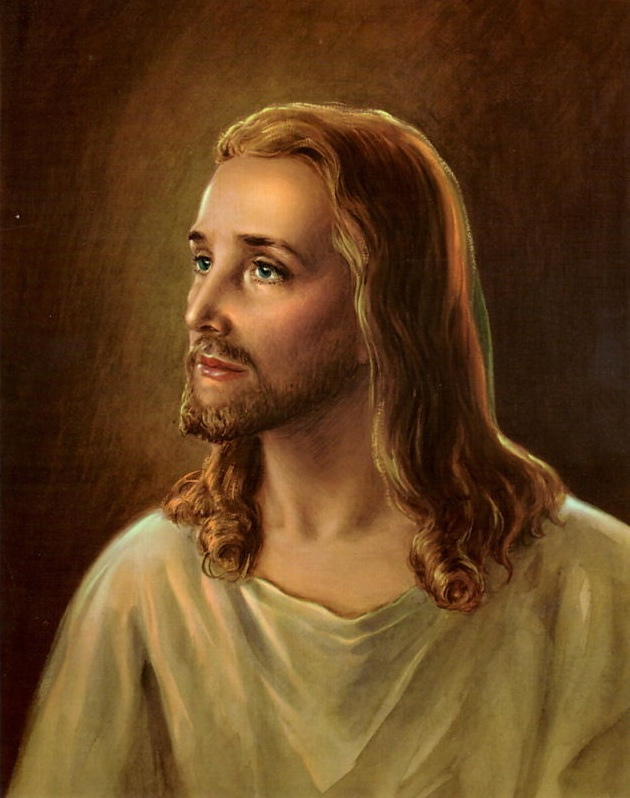
I think it’s time we “Make Jesus Brown Again.”
Let’s be honest. Not a single one of these snowy white, Europeanized versions of the Savior is an accurate portrayal.
Blue eyes? Really? Was Jesus not born in Bethlehem? Smack dab in the Middle East?
Frankly, it feels rather blasphemous. Imagine if we did this to other important icons – a painting of Martin Luther King, Jr. portrayed as a white man, for example. Or President Trump with a Hispanic look.
Got that right.
There would be justifiable outrage. And yet no one seems to bat an eyelash at our gross visual misinterpretation of one of the most influential people in history.
Let’s take a closer look at what Jesus would have actually looked like. In this article, the BBC did a thorough job at reviewing Jesus’s look, head to toe, but I was most struck by the mention of a recent reconstruction done by forensic anthropologist Richard Neave. According to this article from Popular Mechanics, Jesus’s features were painstakingly reconstructed for accuracy to be typical of Galilean Semites of his era.
“For those accustomed to traditional Sunday school portraits of Jesus, the sculpture of the dark and swarthy Middle Eastern man that emerges from Neave’s laboratory is a reminder of the roots of their faith.”
At a time when our fears around terrorism coming from the middle east are reaching a fever pitch, perhaps it’s time to paint a more accurate version of the savior so many Americans worship. Turns out, that the real version, a brown, middle eastern refugee, probably looked an awful lot like the same people we so fear.
Moving into the traditional American holidays, independent of your religious affiliation, let’s try to keep this reminder close to our hearts and extend the same warmth, kindness and love to all of our neighbors, that Christians would extend to their brown refugee Savior.